Pick a Bike That Actually Fits How You Ride
A practical guide to matching bike type, geometry, and gearing to your real riding habits instead of trends.
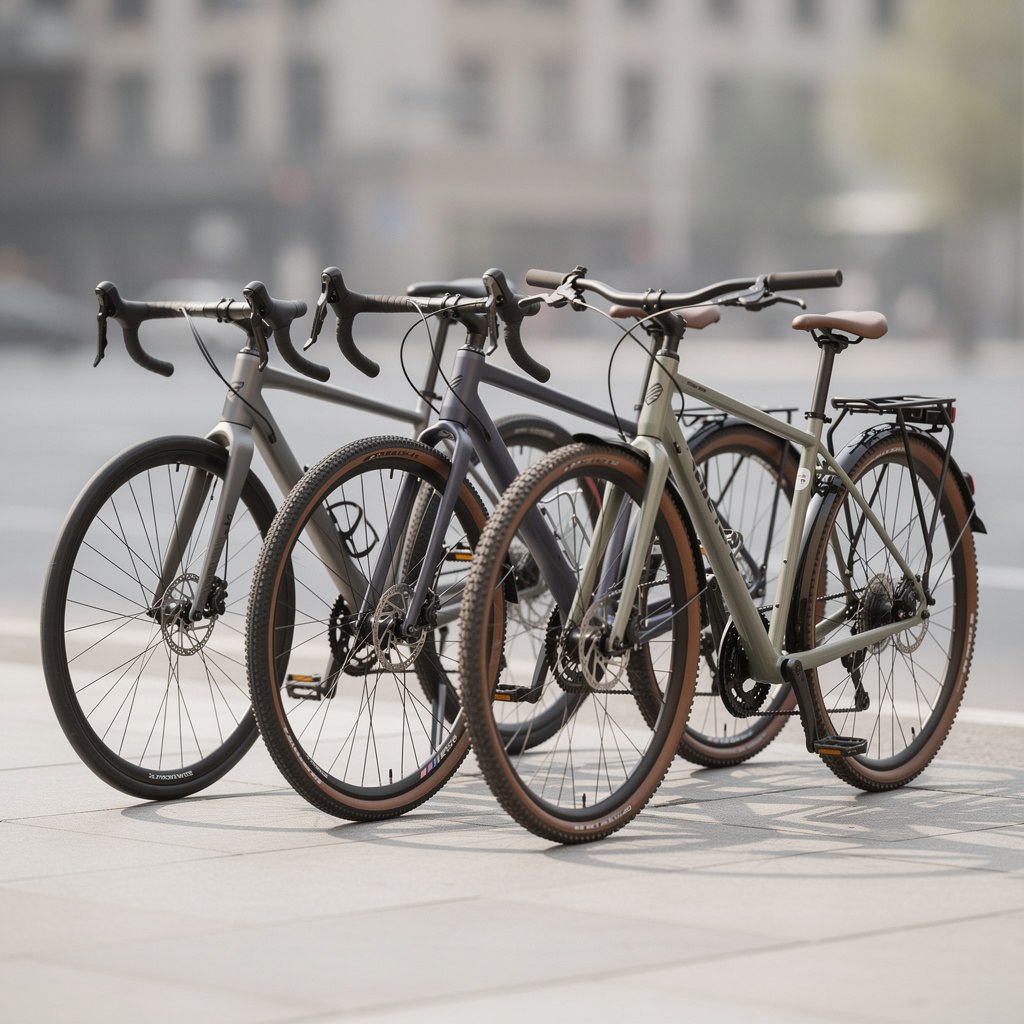
Most people shop for a bike the wrong way around. They pick a brand or a color first, then try to justify the choice with a style they don't actually ride yet. The better approach starts with an honest look at your weekly routine on two wheels.
Figure Out How You Actually Ride
Write down your last ten rides. Were they 5 km commutes on asphalt, 40 km weekend loops on gravel, or short technical trails in a park? The pattern that repeats is your real style, not the one you imagine for future trips.
A rider who does short flat commutes five days a week needs something different from someone who rides 60 km on Saturdays with friends. Mixing both into one bike is possible, but it means compromises on both ends.
Frame Geometry Tells the Real Story
Geometry numbers matter more than the label on the frame. A road bike with a long top tube and low front end pushes you into an aggressive, aerodynamic position — good for speed, harder on the neck and wrists over long city rides.
A city or hybrid frame usually has a shorter reach and a higher head tube, keeping your back more upright. This position gives better visibility in traffic and less strain during a 20-minute commute, but it costs you some efficiency on longer, faster rides.
Gravel bikes sit in between: relaxed enough for comfort, but still efficient for distance. If you can't decide between drop bars and flat bars, picture yourself checking mirrors and side traffic — that alone often settles the question.
Gearing and Groupsets by Use Case
Gearing range should match your terrain, not your ambition. A cassette with a 11-34 range works fine for rolling hills and mixed pavement. If your routes include long climbs above 8% grade, look for something closer to 11-42 or a compact crankset up front.
Commuters who stop and start constantly in traffic benefit from simpler drivetrains — a single-speed or a basic 8-speed hub reduces maintenance and rarely leaves you in the wrong gear at a red light. Riders doing 100 km+ weekend routes usually want a wider range and more precise shifting, even if that means more cleaning and adjustment later.
Don't chase groupset tiers just for weight savings. A mid-range mechanical drivetrain shifts reliably for years if it's kept clean, and the weight difference between tiers rarely changes how a commute feels.
Tires and Wheels Matter More Than the Frame Badge
Tire width changes a bike's personality more than almost anything else. A 25mm road tire feels fast and twitchy on smooth pavement but turns unpleasant the moment you hit a pothole-filled street.
Switching to 32-38mm tires on the same style of bike softens the ride noticeably and lets you roll over curbs, tram tracks, and gravel patches without flinching. Many riders discover that changing tires solves problems they thought required a whole new bike.
Wheel size follows the same logic: 700c wheels roll fast and hold speed well, while smaller 650b wheels with wider tires trade a bit of top speed for stability on rougher terrain. If your rides include unpaved sections at all, this trade-off is worth testing before buying.
Test Rides Beat Spec Sheets
No spec sheet tells you how a bike feels when you lean into a turn at 25 km/h or stand up to climb a short hill. Book at least two test rides of 15-20 minutes each, on routes similar to what you actually ride at home.
Pay attention to where your hands and shoulders feel strain after ten minutes, not just after the first minute. Early discomfort usually means the frame size or stem length needs adjusting, not that the bike is wrong for you.
If a shop only lets you ride in a parking lot, ask if you can take it on a nearby street with a real corner and a slight incline. A ten-second flat-ground loop rarely reveals anything about long-term comfort or handling.