How to Grow a Local Cycling Club's Online Presence
A practical guide to building a cycling club from a few weekend riders into an active, visible community.
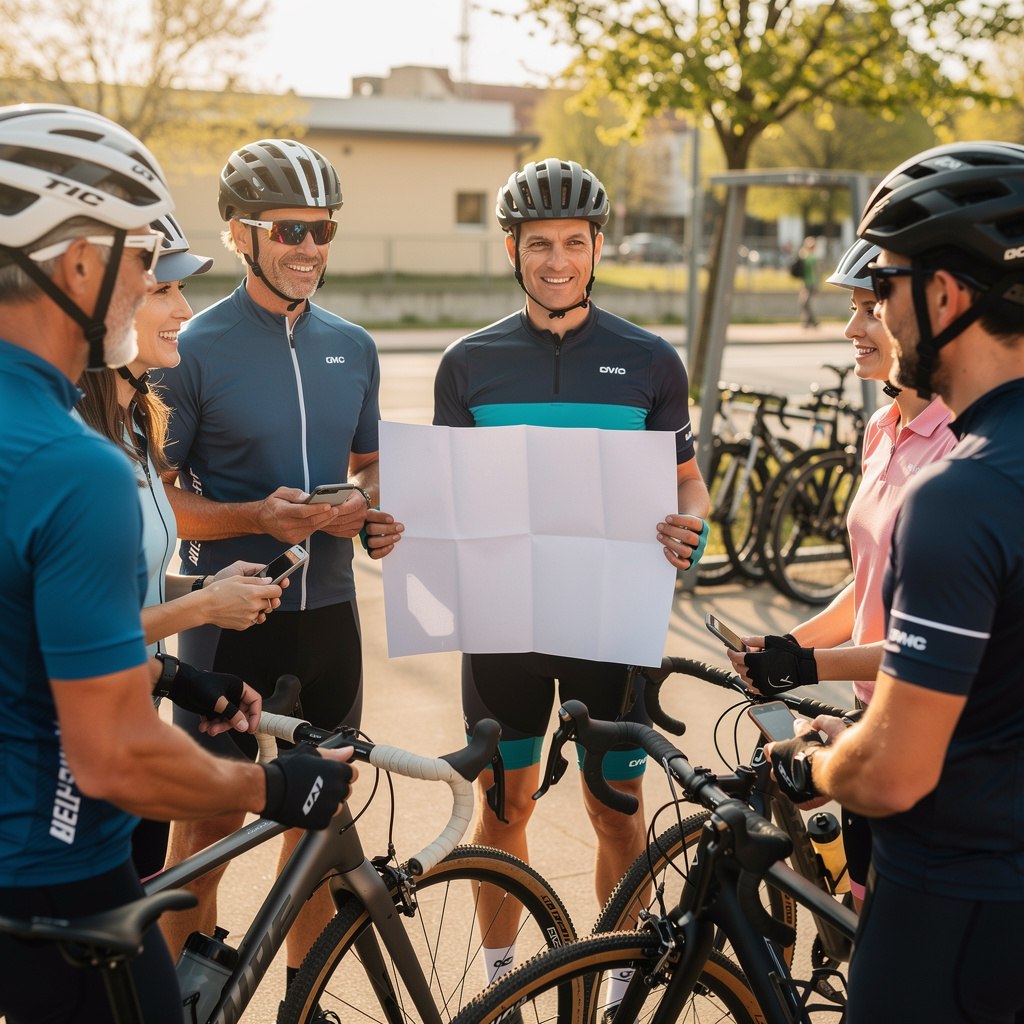
Most cycling clubs don't start with a plan. They start with two or three people who ride the same loop on Saturday mornings and eventually invite a friend along. Six months later there are fifteen riders, three pace groups, and a group chat nobody can keep up with.
Getting from that loose arrangement to a functioning club takes more structure than most people expect, but not much more effort than organizing a single ride.
Why Small Rides Turn Into Communities
Riders stick around for the social part, not just the mileage. A rider who finishes a route alone forgets it by Monday; a rider who finishes it while arguing about coffee shops remembers the group.
The shift from "a few people who ride together" to "a club" usually happens once rides become predictable. Same day, same start time, same rough distance — people can plan around it without checking a group chat every week.
Structuring Regular Group Rides
Once a ride repeats three or four times, it's worth setting basic rules. Pick one weekday evening ride and one weekend longer ride, and stick to both for at least two months before changing anything.
Split riders into pace groups early, even if it feels awkward with a small crowd. A 25 km/h group and a 30 km/h group riding the same route but starting five minutes apart avoids the usual problem of stronger riders waiting at every junction.
Assign one person as a route lead for each ride, not necessarily the fastest rider. Someone who knows the roads and can flag a pothole matters more than someone who can drop everyone on the first hill.
Building a Home Base Online
A group chat works for twenty people. It stops working for eighty, especially once new riders join and can't find the route, the meeting point, or last week's photos.
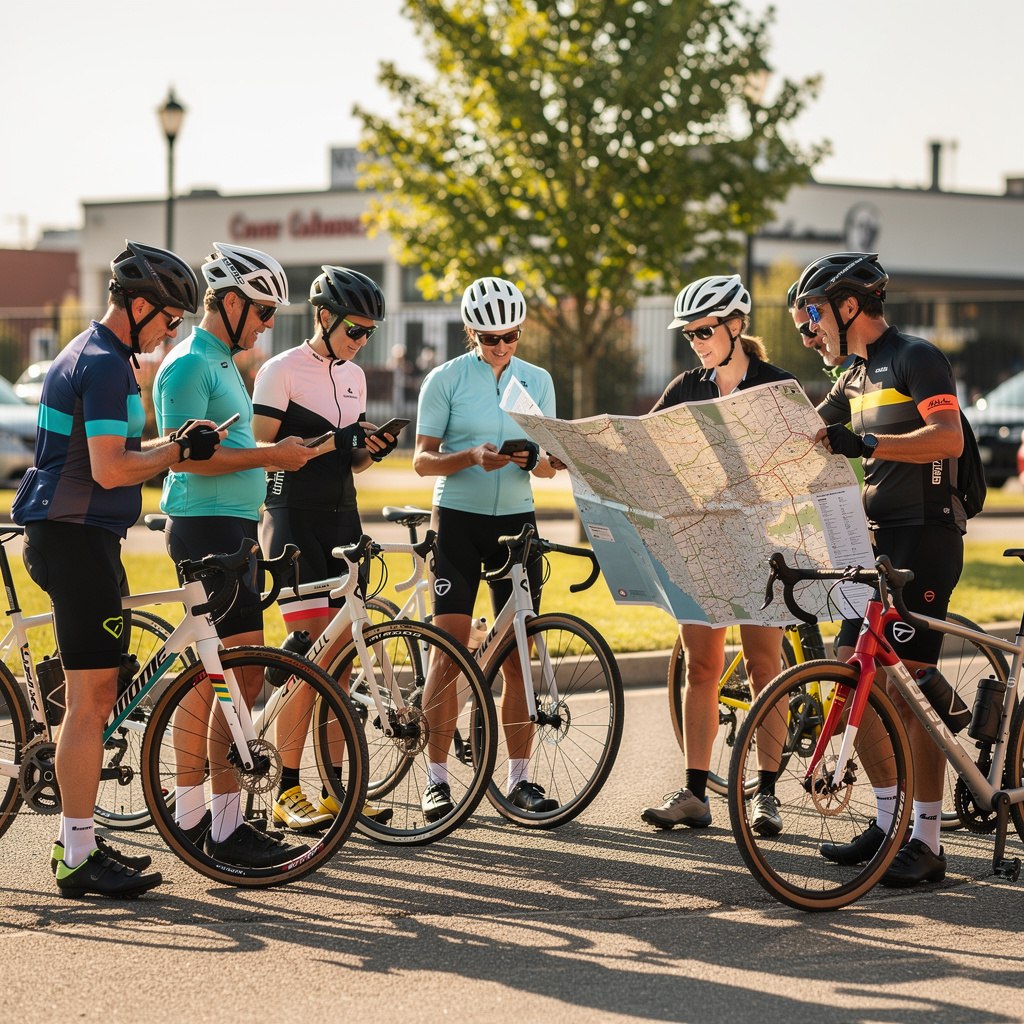
A simple website solves this — a page with the ride calendar, a route map, and basic rules for joining. It doesn't need to be elaborate; a single page with a form and a few photos covers most of what a growing club needs in its first year.
The harder part is getting that page in front of people who don't already know the club exists. Search engines rank pages partly on how many other sites link to them, which is why some clubs also look into approaches like buy seo links 3 to strengthen their site's authority faster, alongside the slower work of publishing ride reports and route guides that other cycling sites end up linking to naturally.
Getting Found by New Riders
Beyond the website itself, local visibility matters more than national reach. A club page that shows up when someone searches "group rides near [city name]" will bring in more new riders than one optimized for broad cycling keywords.
Listing the club on local bike shop bulletin boards, tagging the shop in ride photos, and asking shops to mention weekly rides to new customers still works better than most digital tactics for a club under a hundred members.
Ride reports help too. A short post after a notable ride — a long climb, a bad weather day, a first century ride for someone in the group — gives search engines something to index and gives current members something to share.
Keeping Momentum After the First Season
Most clubs lose riders over winter, not because people stop caring but because the routine breaks. Keeping one indoor or short winter ride on the calendar, even with five people, keeps the group from having to rebuild from zero in spring.
The clubs that last past their first year are usually the ones that treated the boring parts — consistent scheduling, a basic website, a clear way for strangers to join — as seriously as the routes themselves.