Post-Ride Recovery Nutrition: What Cyclists Should Eat After Riding
A practical guide to post-ride recovery nutrition — timing, carb-protein ratios, hydration, and simple meals that actually help.
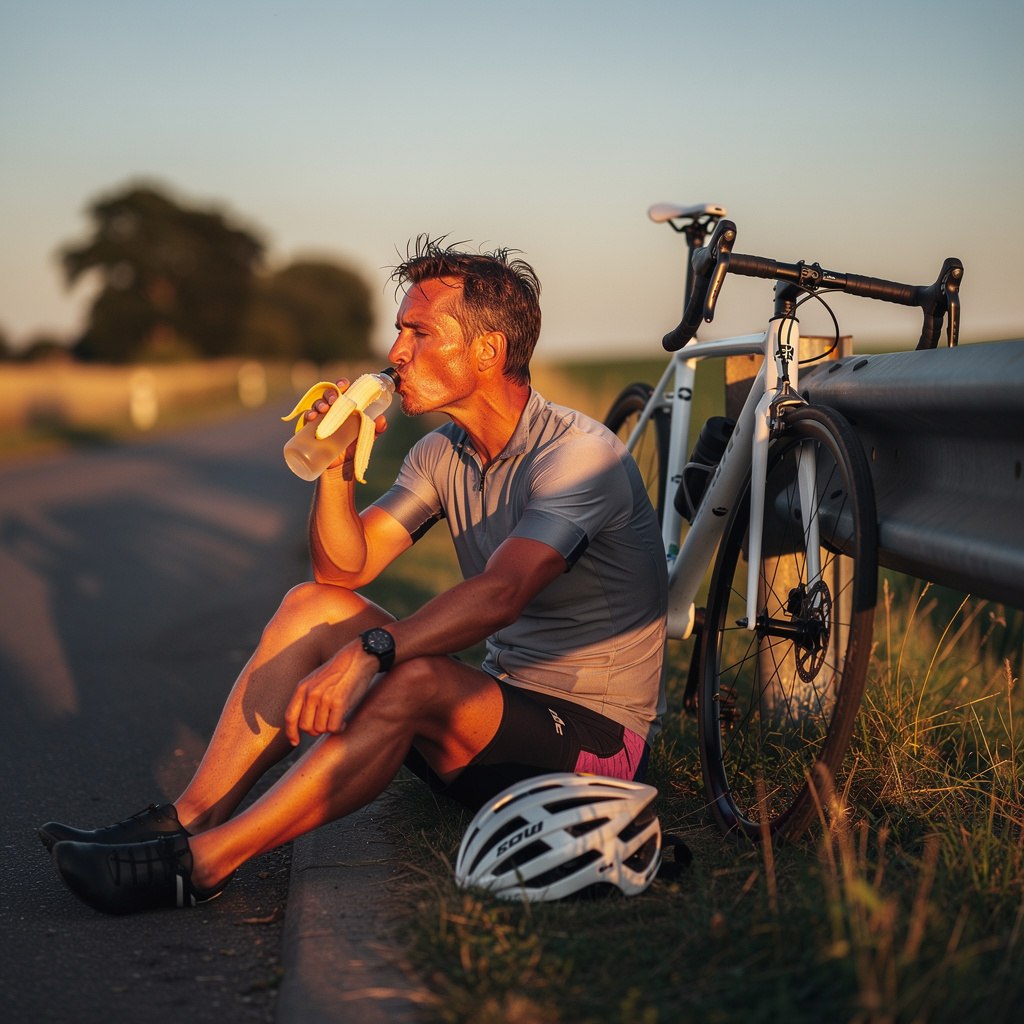
Most riders spend hours picking the right saddle, tires, or jacket, then finish a hard ride and eat whatever's in the fridge. That gap matters more than people think. What you eat in the first hour after riding decides how sore you'll be tomorrow and how much of tomorrow's ride you'll actually enjoy.
The 30-Minute Window That Isn't a Myth
There's a real physiological reason people talk about a recovery window. After 60-90 minutes of steady effort, your muscles are primed to pull in glucose and rebuild glycogen faster than at any other point in the day. Waiting three or four hours to eat means your body starts that repair process later and slower.
You don't need to sprint to the kitchen the second you unclip. A 20-40 minute window after finishing is enough for most riders doing regular training rides, not competitive stage racing.
Getting the Carb-to-Protein Ratio Right
The number that keeps showing up in cycling nutrition talk is 3:1 — three grams of carbohydrate for every gram of protein. Carbs refill the glycogen you burned through; protein gives your muscles the material to repair small tears from the effort.
A banana with a scoop of peanut butter gets you close. So does a bowl of rice with grilled chicken. The ratio matters more than the specific food, so there's room to work with whatever's already in your kitchen.
Hydration Isn't Just About Water
Sweat carries out sodium, potassium, and magnesium, not just water. Replacing plain water without electrolytes after a two-hour ride in summer heat can leave you feeling flat even if you drink plenty.
This is where a lot of riders reach for something simple instead of mixing powders. Plain dairy milk has a naturally close-to-ideal carb-to-protein balance for recovery, along with sodium and calcium that plain water doesn't offer. If you don't have a recovery shake in the fridge, you can buy milk on the way home from a ride and cover most of what your body is asking for without any extra prep.
Recovery Meals That Don't Require a Blender
Not every rider wants to measure grams or blend anything. A few combinations hit the right numbers without any tools beyond a plate and a fork.
- Greek yogurt with granola and honey
- Toast with eggs and a glass of milk
- Leftover pasta with tuna, eaten cold straight from the fridge
- Rice cakes with cheese and a piece of fruit
None of these require planning ahead. That's the point — recovery nutrition works best when it's boring and repeatable, not when it depends on having the right ingredients stocked every single week.
Sleep Does More Than People Give It Credit For
Food repairs muscle tissue, but most of that repair actually happens during deep sleep, when growth hormone release peaks. Riders who train hard but consistently sleep five or six hours often plateau not because their nutrition is wrong, but because their body never gets the uninterrupted time it needs to use what they ate.
An extra 30-45 minutes of sleep on hard training days can matter more than any supplement. It's the cheapest recovery tool available, and it's the one most people skip first when life gets busy.
None of this requires an overhaul of how you eat the rest of the day. Pay attention to the hour after you get off the bike, keep something with carbs and protein within reach, and don't underestimate a plain glass of milk or a full night of sleep. Small, repeatable habits here tend to do more for how you feel next ride than any single big change ever will.