More gears always mean a better bike
Gear count matters less than how well the range suits your terrain and riding style.
We cover road, gravel, mountain, urban, and hybrid bikes, focusing on how each type fits different riding styles.
No, we focus on explaining categories and concepts rather than endorsing particular products.
Not at all — it's built with casual and enthusiast riders in mind, though seasoned riders often find value too.
Yes, we discuss types of gear and what purposes they serve, without pushing specific items.
We share general maintenance concepts, not step-by-step repair manuals.
We add new articles regularly as cycling trends and rider interests evolve.
A bike is a bridge between where you are and who you're becoming.
Longtime urban cyclist and contributor
Gear count matters less than how well the range suits your terrain and riding style.
Many riders use road bikes simply for efficient long-distance commuting or fitness.
Modern mountain bikes vary widely in weight, and some are perfectly fine for mixed-use riding.
Most gear choices are rooted in safety, comfort, and weather protection first.
Choosing a bike often starts with a vague idea rather than a clear category: something for commuting, something fast, something that can handle rough trails. This section exists to close that gap by walking through the major bike types on the market and explaining what actually separates them beyond paint and price. Rather than ranking bikes or pointing toward specific purchases, the goal here is to build a working understanding of geometry, intended terrain, and riding posture so that the differences make sense on their own terms.
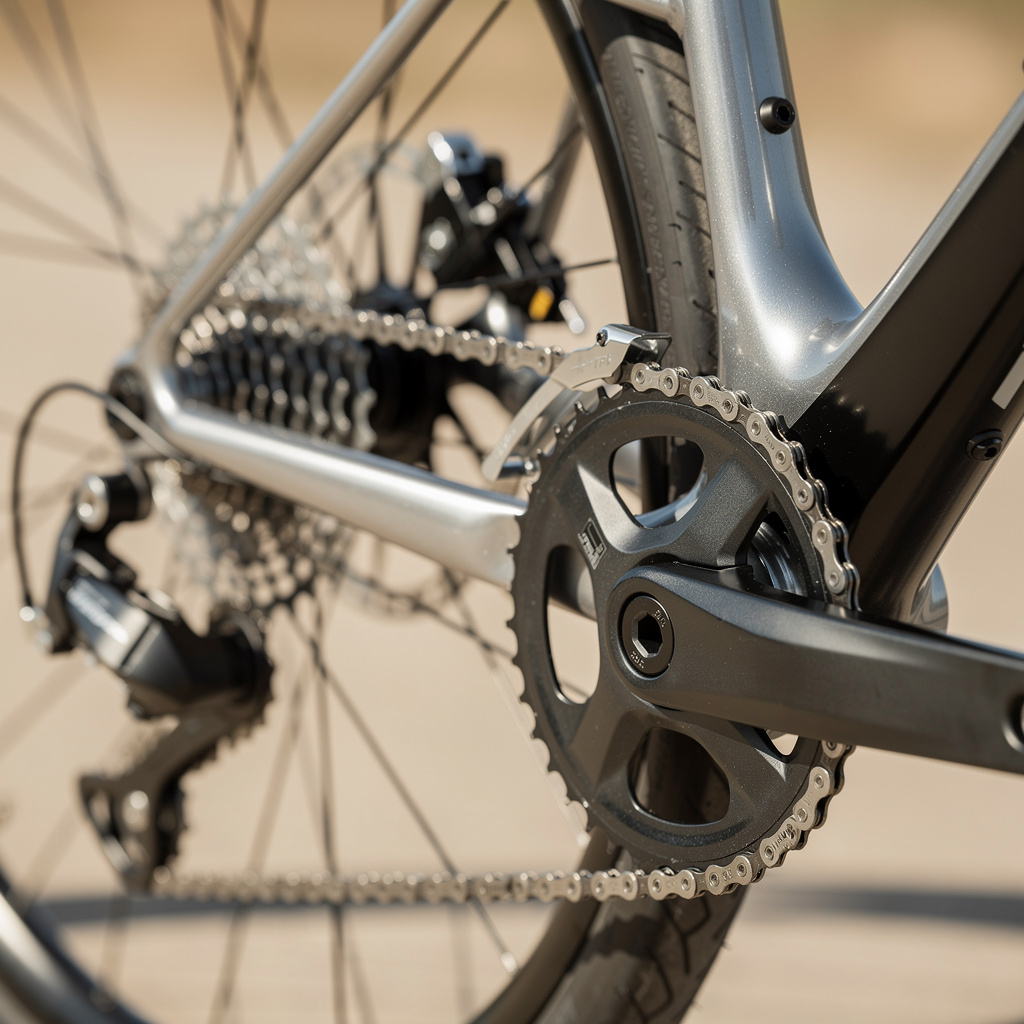
Road bikes, gravel bikes, hybrids, mountain bikes, city bikes, and everything in between share components but diverge sharply in how they're built to behave. A road bike's drop bars and stiff frame exist to keep a rider low and efficient over long paved distances, while a mountain bike's suspension and wide tires are designed to absorb impact and hold traction on unpredictable ground. Gravel bikes sit in a deliberately blurry middle zone, borrowing traits from both to handle mixed surfaces without fully committing to either extreme. Understanding these design choices — not just labeling a bike by category — is what turns a shopping decision into an informed one.
This part of the site also looks at how bike types intersect with riding culture. Fixed-gear bikes carry a stripped-down aesthetic tied to urban messenger history and track racing roots, while touring bikes reflect a completely different set of priorities built around load capacity and long-haul durability. Folding bikes solve problems specific to commuters juggling public transit, and cargo bikes have grown out of a need to move goods or people without a car. Each type tells a story about the riding it was shaped for, and that context matters as much as the specs.
Rather than treating bike types as fixed, unchanging categories, this section tracks how boundaries blur over time. Gravel bikes borrowed heavily from cyclocross before becoming their own distinct class. Electric assistance has reshaped what commuter and cargo bikes are capable of, expanding who can ride further or carry more without extra effort. Fat bikes emerged to solve a very specific problem — riding on snow and sand — and have since found niche appeal well beyond their original use case. These shifts are worth tracking because they reflect real changes in how people ride, not just marketing trends.
The intent throughout this reference area is to give readers enough grounding to talk about bike types with some fluency, whether they're deciding what kind of riding suits their lifestyle or simply trying to understand a conversation about frame geometry or tire clearance. It's a starting point for orientation, not a final verdict on what any one person should ride.