More gears always mean a better bike
Gear count matters less than how well the range suits your terrain and riding style.
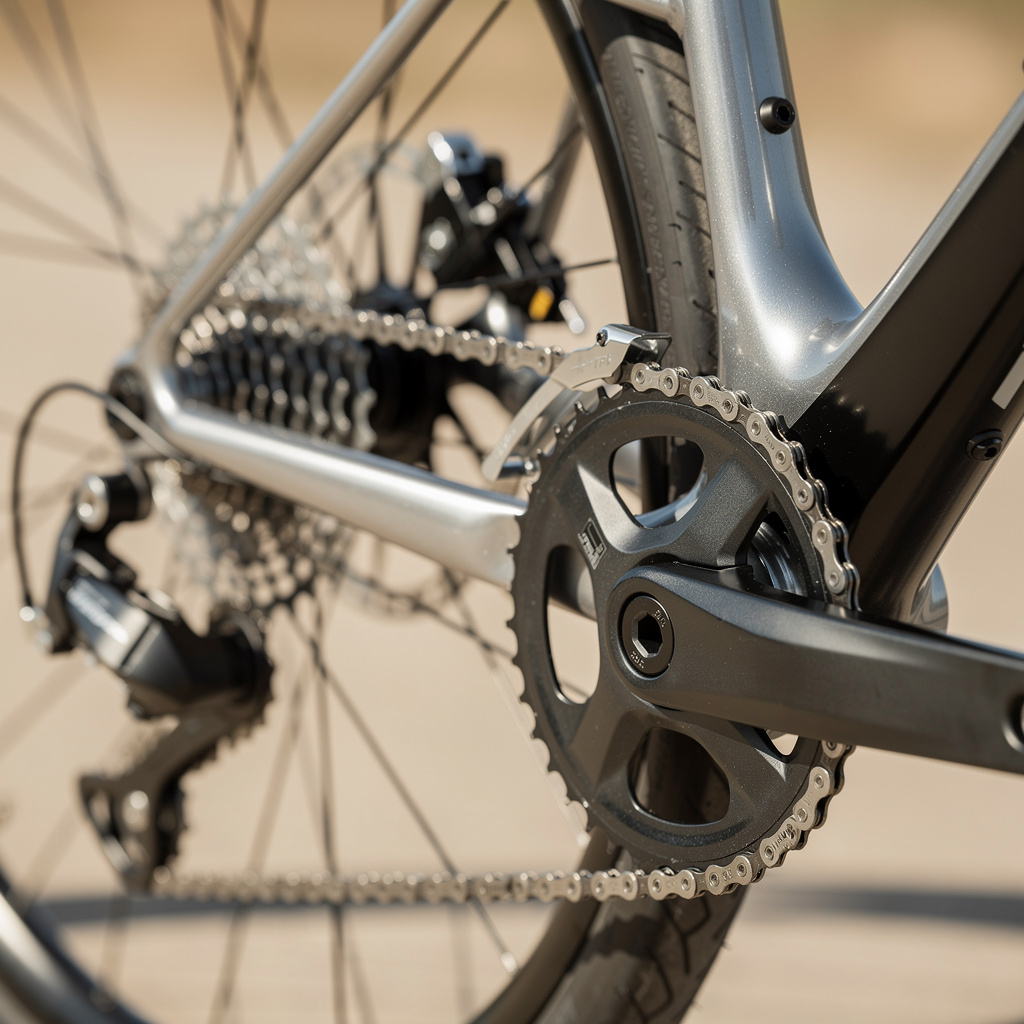
We cover road, gravel, mountain, urban, and hybrid bikes, focusing on how each type fits different riding styles.
No, we focus on explaining categories and concepts rather than endorsing particular products.
Not at all — it's built with casual and enthusiast riders in mind, though seasoned riders often find value too.
Yes, we discuss types of gear and what purposes they serve, without pushing specific items.
We share general maintenance concepts, not step-by-step repair manuals.
We add new articles regularly as cycling trends and rider interests evolve.
A bike is a bridge between where you are and who you're becoming.
Longtime urban cyclist and contributor
Gear count matters less than how well the range suits your terrain and riding style.
Many riders use road bikes simply for efficient long-distance commuting or fitness.
Modern mountain bikes vary widely in weight, and some are perfectly fine for mixed-use riding.
Most gear choices are rooted in safety, comfort, and weather protection first.
Urban cycling is as much about identity as it is about getting from one place to another. The bikes people ride through city streets, the way they dress, the routes they choose and even the way they lock up at a café all say something about how they relate to the city around them. This section looks at that layer of meaning behind the daily commute, tracing how urban riding has developed its own visual language and set of unwritten rules across different cities and scenes.
Fixed-gear and single-speed riding, cargo bike parenting, messenger-inspired minimalism, and the slower revival of classic city bikes are all part of the same broader movement, even though they look nothing alike on the surface. Some riders favor stripped-down machines with no gears and no brakes beyond their legs, while others build up practical, load-bearing bikes meant to replace a car entirely. What connects them is a shared sense that cycling in the city is a deliberate choice, not just a fallback option, and that choice tends to shape everything from frame geometry to wardrobe.
Clothing and accessories in urban cycling rarely mimic the lycra-and-jersey look of road racing. Instead, the aesthetic borrows from streetwear, workwear, and vintage cycling gear, blending function with a look that holds up off the bike too. Reflective details hidden inside otherwise normal-looking jackets, boots built to handle pedals and pavement, and bags designed for both commuting and daily carry are recurring themes covered here, not as product picks but as examples of how practical needs and personal style end up intertwined.
City infrastructure and local riding culture feed into each other constantly. Where protected bike lanes and bike-share systems are common, riding tends to normalize into something closer to everyday transportation, and the gear and bikes people choose reflect that ease. In places where cycling still competes hard with car traffic, a rougher, more assertive riding style often emerges, along with bikes built to survive potholes, theft attempts, and unpredictable weather. Articles in this category explore how these different environments produce distinct subcultures, from the courier scenes of dense metropolitan cores to the more relaxed cruiser culture of flatter, sunnier cities.
There's also a social dimension that goes beyond individual bikes and outfits. Group rides, alley cat races, bike polo meetups, and informal shop hangouts have long served as entry points into urban cycling communities, often mattering more to newcomers than any piece of gear. This section documents those gathering points and the informal codes that come with them, offering context for readers who want to understand not just how to ride in a city, but how to read the cycling culture already happening around them.
Taken together, these pieces aim to map out urban cycling as a living culture with its own history, regional variations, and ongoing shifts, rather than treating it as a single fixed style. The goal is to give readers enough context to recognize the choices behind what they see on the street, whether that's a particular frame style, a specific way of carrying gear, or the unspoken etiquette of a busy bike lane.